
Network Security is a crucial aspect of cybersecurity that involves protecting the integrity, confidentiality, and availability of an organization’s network infrastructure. With the increasing frequency and sophistication of cyber threats, robust network security measures are essential.
By implementing firewalls, intrusion detection/prevention systems, and secure access controls, Network Security ensures unauthorized access is mitigated. Encryption techniques safeguard sensitive data during transmission, preventing interception. Regular security audits and vulnerability assessments help identify and address potential weaknesses proactively.
Monitoring network traffic and implementing real-time threat detection enable swift incident response, limiting potential damage. Additionally, user awareness training enhances the human factor in network security, reducing the risk of social engineering attacks.
A well-designed Network Security strategy provides peace of mind, ensuring business continuity and safeguarding against data breaches, malware, and other cyber threats that can disrupt operations and compromise sensitive information.
Endpoint Protection is a critical component of cybersecurity that focuses on securing individual devices, or endpoints, within a network. These endpoints, such as computers, laptops, smartphones, and tablets, are vulnerable entry points for cyber threats.
Endpoint Protection aims to safeguard these devices from various risks, including malware, ransomware, viruses, and unauthorized access. This is achieved through the deployment of antivirus software, firewalls, and intrusion prevention systems.
Furthermore, Endpoint Protection solutions often include features like data encryption, device management, and remote monitoring. These measures help prevent data loss, secure sensitive information, and ensure compliance with security policies.
By fortifying each endpoint with advanced security measures, organizations can create a robust defense against cyber attacks, mitigating potential risks and maintaining the integrity of their data and network infrastructure.

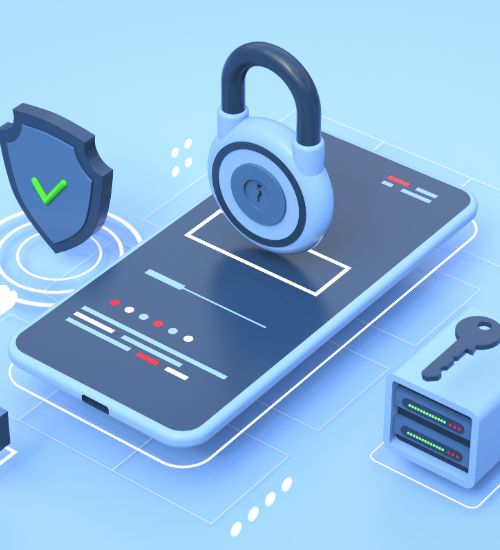
Data Encryption is a crucial cybersecurity technique that transforms plain data into ciphertext, rendering it unreadable without the appropriate decryption key. This process ensures the confidentiality and integrity of sensitive information, protecting it from unauthorized access during transmission and storage.
Using complex algorithms, data encryption shields data from cyber threats, including hackers, eavesdroppers, and data breaches. Whether transmitted over the internet or stored on devices, encrypted data remains secure and confidential.
Implementing data encryption is essential for businesses handling sensitive customer information, financial data, and intellectual property. It not only safeguards against data theft but also aids in regulatory compliance, providing an additional layer of trust for customers and partners.
By prioritizing data encryption, organizations bolster their cybersecurity posture, ensuring data remains protected in an increasingly interconnected digital world.
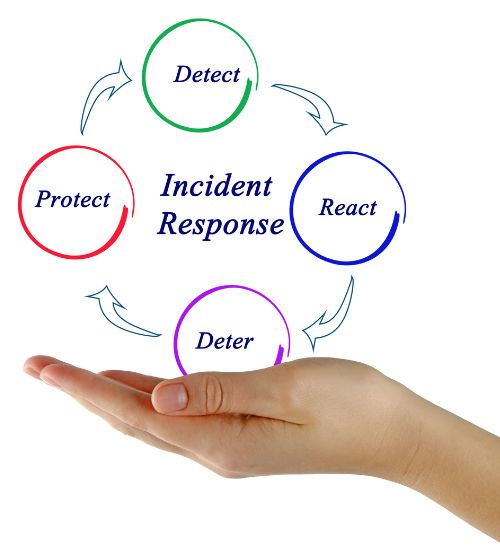
Incident Response is a fundamental pillar of effective cybersecurity, critical for identifying, managing, and mitigating security incidents promptly and efficiently. It involves a well-coordinated plan to detect, contain, eradicate, and recover from incidents like data breaches, cyberattacks, and malware infections. The primary objective is to minimize the impact on the organization, safeguard sensitive data, and restore normal operations swiftly.
Having a well-defined Incident Response plan is crucial as it enables organizations to respond proactively to security breaches, mitigating potential damages, preserving stakeholder confidence, and ensuring business continuity. It also plays a vital role in compliance with data protection regulations, strengthening the organization’s reputation.
Continuous improvement of Incident Response capabilities and learning from past incidents further fortify the organization’s cybersecurity posture, making it more resilient against future threats. By investing in Incident Response preparedness, organizations can effectively safeguard their valuable assets, maintain customer trust, and protect their reputation in an ever-evolving cyber landscape.
Penetration Testing, also known as ethical hacking, is a proactive cybersecurity practice where skilled professionals simulate cyberattacks to identify vulnerabilities in an organization’s network, applications, or systems. By exploring various attack vectors, such as social engineering and web application vulnerabilities, Penetration Testing reveals potential weaknesses in the security infrastructure.
The insights gained from Penetration Testing enable organizations to take corrective actions, fortify their defenses, and prevent data breaches or unauthorized access. Regular Penetration Testing is vital to maintaining a robust cybersecurity posture, as it helps organizations stay one step ahead of malicious hackers and proactively protect their sensitive data.
With Penetration Testing, businesses can ensure a resilient and secure digital environment, reducing the risk of cyber incidents and safeguarding their valuable assets. It also helps them comply with industry regulations and build trust with customers, demonstrating a commitment to maintaining a strong security posture.
Mobile Security is a crucial aspect of cybersecurity that focuses on safeguarding smartphones, tablets, and other mobile devices from cyber threats. With the increasing use of mobile devices for business and personal purposes, ensuring their security is paramount.
Mobile Security measures include implementing secure access controls, data encryption, and device management policies. These safeguards protect sensitive data and prevent unauthorized access in case of device loss or theft. Secure mobile applications, regular software updates, and app permission controls further enhance security.
Mobile Security also addresses risks associated with mobile browsing, app downloads, and social engineering attacks targeting mobile users. By educating users and raising awareness about mobile security best practices, organizations can create a culture of security-consciousness and ensure a safe mobile computing environment.
Adopting Mobile Security best practices is essential for businesses to protect their assets, maintain customer trust, and comply with data protection regulations in an increasingly mobile-dependent world.

Praise from Our Clients
I can't thank Online Defenders enough for the exceptional cybersecurity services they provided. Their team was proactive in identifying vulnerabilities and securing our systems. Now, I have complete peace of mind knowing our data is safe.
Online Defenders exceeded our expectations in every way. Their tailored cybersecurity solutions perfectly matched our organization's needs. The transparency and open communication throughout the process were truly commendable
As a small business owner, cybersecurity was a concern. Online Defenders came to the rescue with their personalized approach and top-notch protection. They gave me the confidence to focus on growing my business
Online Defenders is a trusted partner in our cybersecurity journey. Their continuous innovation and dedicated team have proven instrumental in safeguarding our digital assets from evolving threats.
Reach out to us today for expert cybersecurity solutions and protect your digital assets with confidence. We’re here to assist you.